
Vision
Rehabilitation for every young life
Evidence-based rehabilitation accessible to every child, adolescent, and young adult who may benefit from it, regardless of where they live or the chronic condition they face.

An international clinical research initiative offering hybrid rehabilitation to children, adolescents and young adults living with chronic conditions
QUALIREHAB was built around a simple ambition: helping children and young adults with chronic conditions not only live longer, but live better
Advances in medicine have dramatically improved survival for children with congenital heart disease, cancer, kidney disease, neurological disorders, and other chronic conditions. As a result, a growing number now reach adolescence and adulthood.
But survival is only part of the story.
Many experience reduced physical fitness, physical inactivity, fatigue, and impaired quality of life, challenges that can persist long after treatment or despite stable disease. Yet structured rehabilitation programs specifically designed for children and young adults remain limited.
QUALIREHAB was created to close this gap.
Bringing together exercise rehabilitation, patient education, digital health, and multidisciplinary care, QUALIREHAB develops and evaluates rehabilitation programs designed around the needs of young people living with chronic conditions.
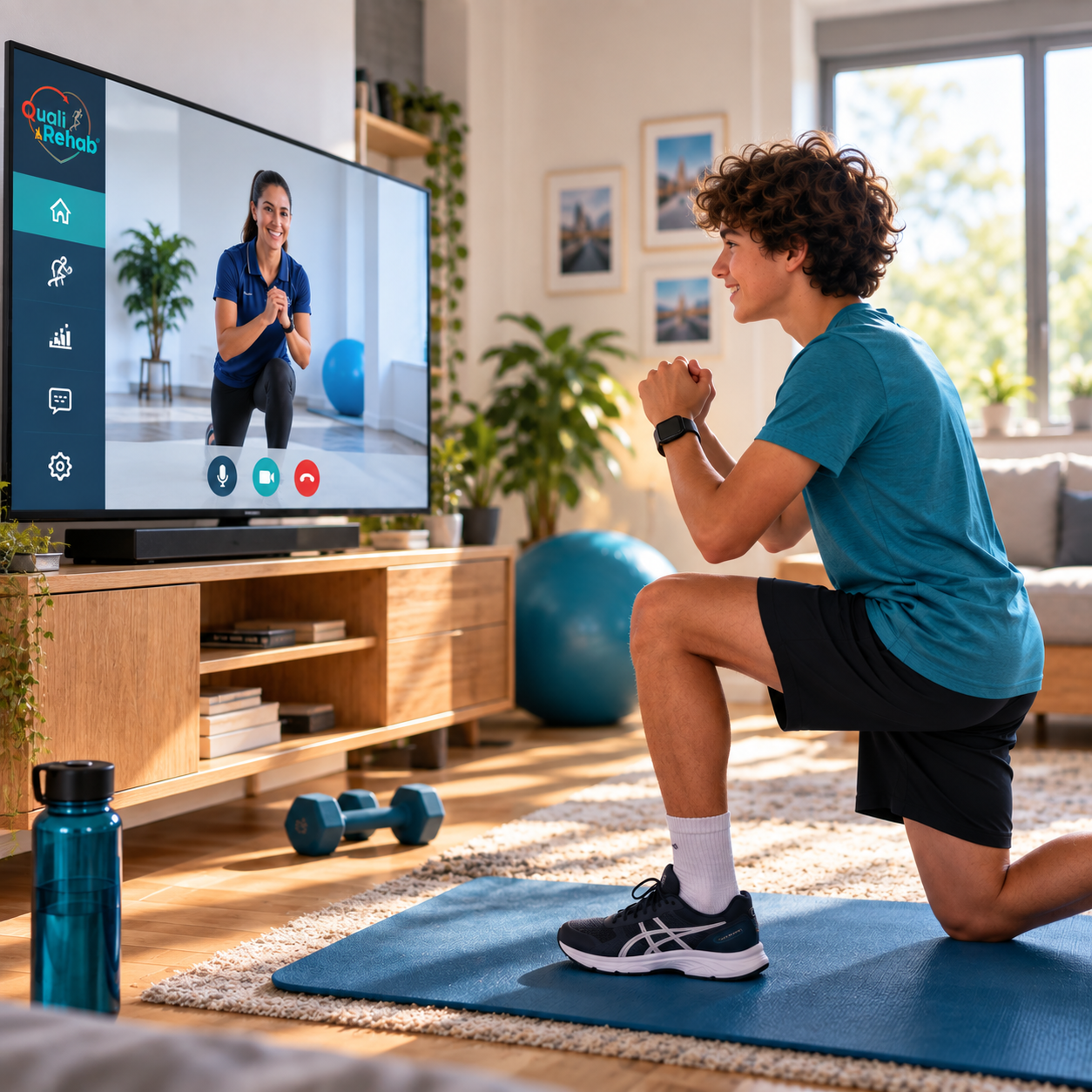
Where QUALIREHAB began
The first QUALIREHAB multicenter randomized controlled trial, published in the European Heart Journal (2024), demonstrated that 12-week hybrid rehabilitation program improved quality of life, physical fitness, and psychological well-being in adolescents and young adults with congenital heart disease, with benefits sustained at 12 months.
Building on this evidence, QUALIREHAB has expanded beyond congenital heart disease to address rehabilitation needs across a growing range of pediatric chronic conditions. Today, QUALIREHAB is an international research and clinical network spanning multiple conditions, institutions, and healthcare systems.
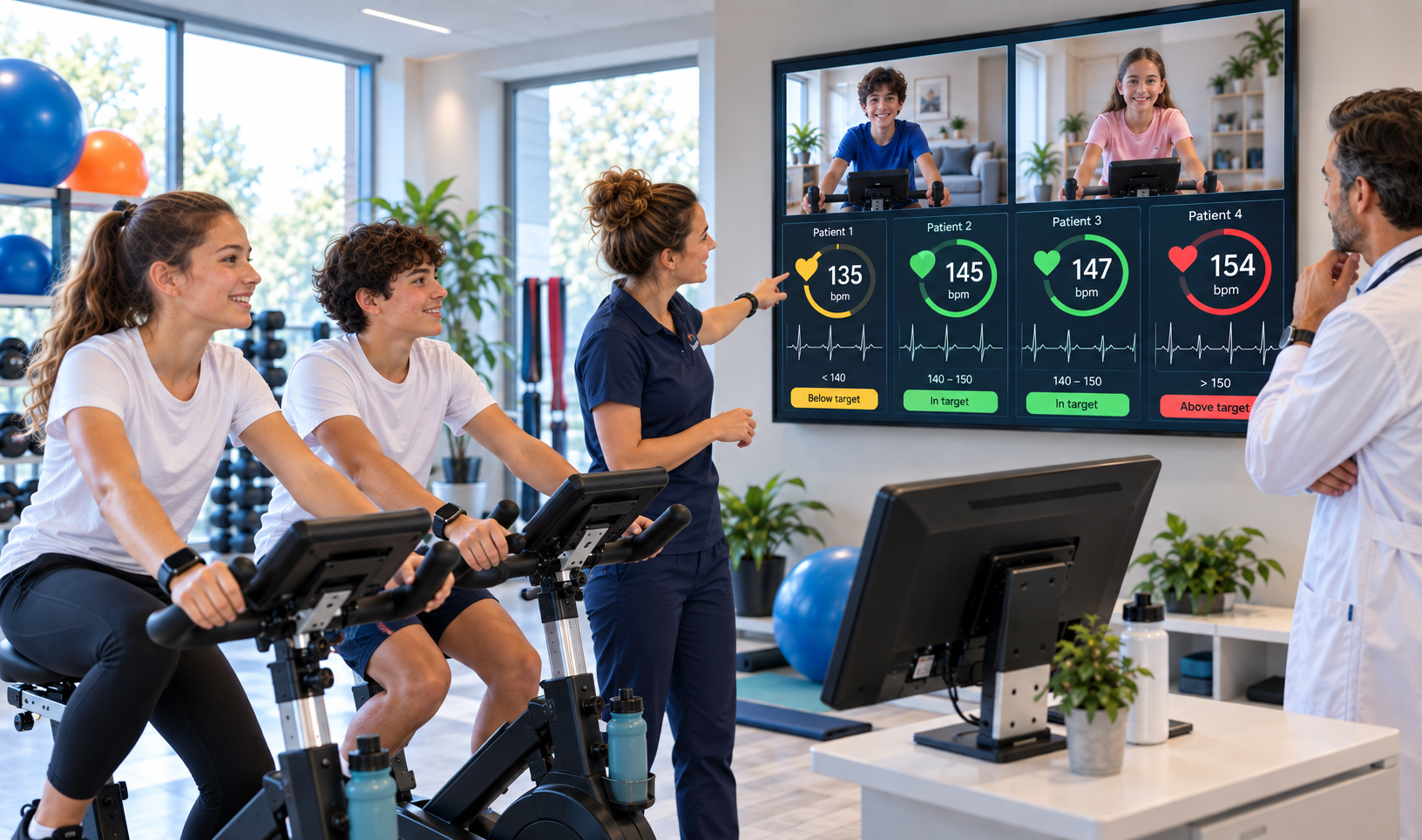
A hybrid, multidisciplinary rehabilitation model combining supervised exercise, home-based training, patient education, and psychosocial support, tailored to young people and adaptable across conditions and healthcare systems.
Individually tailored aerobic and resistance training, guided by clinical assessment and exercise testing.
Learn more →Helping young people understand their condition, build self-management skills, and make informed choices about physical activity, health, and everyday life.
Learn more →Supporting psychological well-being, coping, family involvement, and participation in everyday life.
Learn more →QUALIREHAB combines an initial center-based phase with remotely supported rehabilitation at home, integrating exercise training, patient education, psychosocial support, and digital tools within a personalized multidisciplinary pathway.
A structured rehabilitation pathway combining center-based and home-based phases, adapted to each program and participant.
Children, adolescents and young adults (8–25) with chronic conditions.
Remote tracking, individualized exercise prescription and clinician dashboards.
Follow-up and reinforcement strategies designed to support sustained physical activity, self-management, and healthy behaviors beyond the initial rehabilitation program.
See how QUALIREHAB combines an initial center-based phase with remotely supported rehabilitation at home, bringing personalized exercise, patient education, and multidisciplinary support into participants' everyday lives.
The name QUALIREHAB reflects the program's core philosophy: rehabilitation should improve not only health, but also quality of life. QUALIREHAB places the needs, goals, and perspectives of young people at the center of care and research.
Evidence-based rehabilitation accessible to every child, adolescent, and young adult who may benefit from it, regardless of where they live or the chronic condition they face.
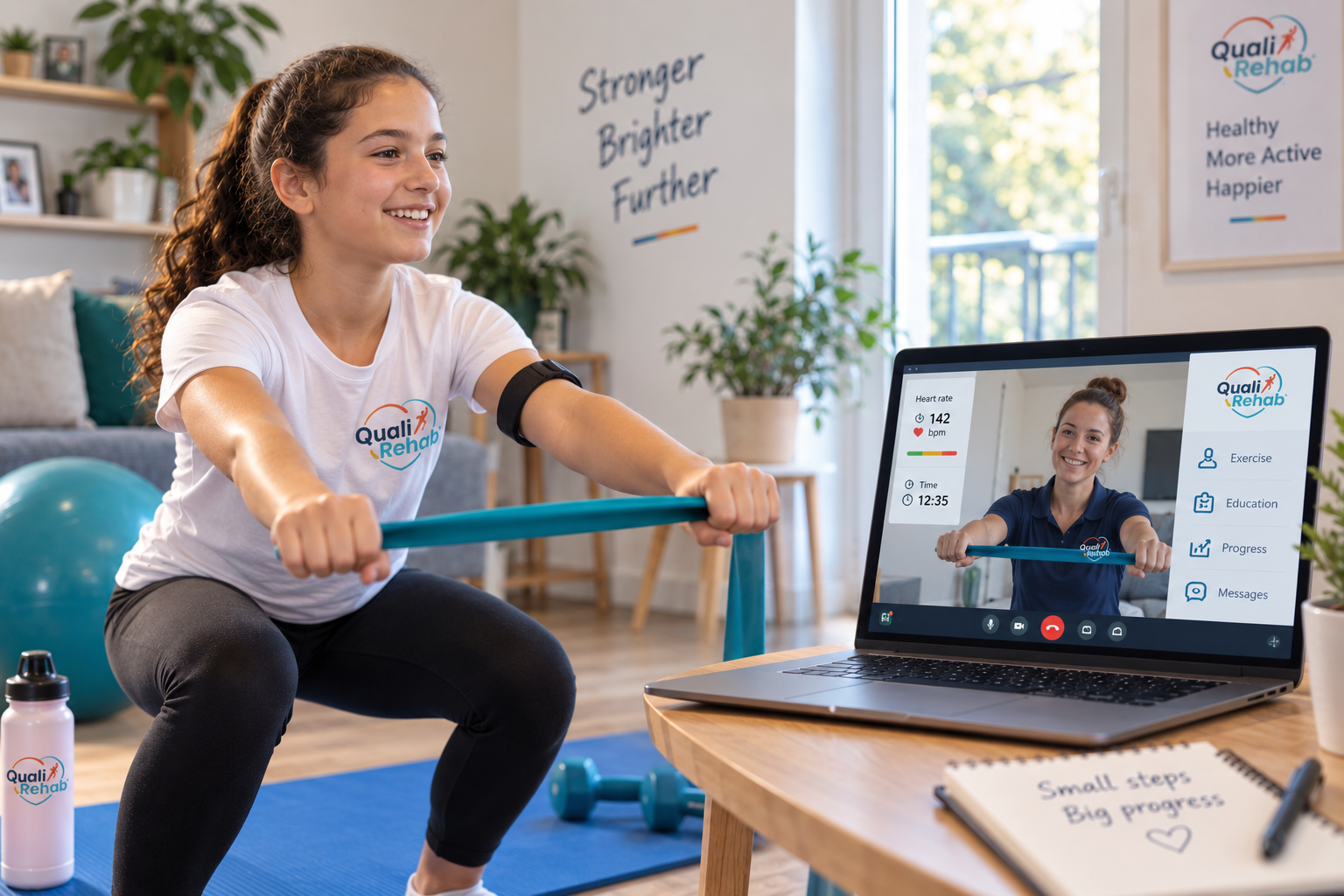
Improve quality of life, physical fitness, psychological well-being, and long-term health through evidence-based, personalized rehabilitation programs designed around the needs of children and young adults.
QUALIREHAB in figures: A growing program. A measurable impact.
QUALIREHAB brings together partner institutions across Europe and the United States, working as one connected network.
All published research behind QUALIREHAB, from the landmark 2024 trial to ongoing studies across our European and American partner network.
The QUALIREHAB trial and its findings have been published in leading peer-reviewed journals, shaping how cardiac rehabilitation is understood and delivered for children and young adults with chronic conditions.
Amedro P. et al. · European Heart Journal · 2024
Andrianoely M. et al. · Journal of the American Heart Association · 2026
Bredy C. et al. · Journal of Adolescent Health · 2024
Moreau J. et al. · European Journal of Cardiovascular Nursing · 2023
Building on the QUALIREHAB trial, our research network is now extending hybrid rehabilitation to new patient groups and health conditions, alongside international registries tracking long-term outcomes.
A study testing a rehabilitation program designed specifically for girls and young women with congenital heart disease, done in small groups and combining in-center and at-home sessions.
A study testing a program that combines physical exercise with brain-training activities, done entirely from home, for children and young people (8–25 years) with complex congenital heart conditions.
A study testing a rehabilitation program done fully from home to help children, teens, and young adults regain physical fitness after finishing cancer treatment.
A study exploring whether a physical activity program that families can do entirely at home helps children and young people (8–25 years) with congenital heart disease who are less physically fit than they should be.
A study testing a rehabilitation program — part in a clinical center, part at home — combining exercise, education, and emotional support for children and young people with chronic kidney disease who need to improve their fitness.
A study testing a rehabilitation program — part in a clinical center, part at home — to help children and young people recover physically after a heart transplant.
A study testing a rehabilitation program — part in a clinical center, part at home — that combines exercise, targeted therapy, education, and emotional support for children and young people who have survived a brain tumor.
A study testing a personalized rehabilitation program — part in a clinical center, part at home — combining tailored exercise, muscle-strengthening, education, and emotional support for young people with hypertrophic cardiomyopathy (a heart muscle condition).
A study looking at how physically fit children and teenagers with type 1 diabetes are, and how this relates to their day-to-day quality of life.
A study looking at physical fitness and how the body responds to exercise in children with immune thrombocytopenia (a condition that affects blood clotting).
A study checking that a well-known quality-of-life questionnaire (PedsQL) works accurately and reliably when used with teenagers aged 13 to 18.
An international database collecting exercise-test results from children with many different health conditions, to better understand how children's bodies respond to physical effort.
An international database tracking how children and young people are doing, physically and in daily life, months and years after taking part in a QUALIREHAB rehabilitation program.
QUALIREHAB follows a translational pathway from clinical research to real-world implementation. Beginning with multicenter research in congenital heart disease, the program has generated evidence for the benefits of structured rehabilitation and is now extending this model across chronic conditions, healthcare settings, and countries. The next step is to determine how effective rehabilitation can be implemented sustainably and equitably within healthcare systems.
Multicenter clinical research established the effectiveness of the QUALIREHAB model in young people with congenital heart disease, demonstrating sustained improvements in quality of life, physical fitness, and psychological well-being. This evidence now provides the foundation for studies across other chronic conditions.
QUALIREHAB is moving evidence into practice through clinical programs and implementation research across Europe and the United States. This includes adapting the model to different diseases and healthcare settings, training multidisciplinary teams, deploying digital tools, and evaluating feasibility, adoption, accessibility, and sustainability.
Our long-term goal is to make evidence-based rehabilitation a routine component of care for young people with chronic conditions—improving access, reducing disparities, supporting prevention, and developing scalable and sustainable models of care.
QUALIREHAB is committed to sharing knowledge beyond the research community. This section brings together educational resources and scientific events to support clinicians, researchers and health professionals working in pediatric rehabilitation.

Selected international conferences and scientific meetings relevant to the QUALIREHAB community, including events where our teams present research, develop collaborations, and contribute to advances in pediatric rehabilitation. Visit the official conference website for dates, programs, and registration.
6–9 November 2026 · Chicago, USA
The American Heart Association's flagship annual meeting for cardiovascular science and medicine.
Learn more3–5 December 2026 · Milan, Italy
The ESC subspecialty congress on echocardiography, CMR, nuclear cardiology and cardiac CT.
Learn more2027 · USA
The annual flagship meeting of the American College of Cardiology.
Learn more15–17 April 2027 · Lisbon, Portugal
The leading European congress on cardiovascular prevention, rehabilitation and exercise.
Learn more19–22 May 2027 · Prague, Czech Republic
The 60th Annual Meeting of the Association for European Paediatric and Congenital Cardiology.
Learn moreMay 22–25, 2027 · London, UK
The ESC congress dedicated to heart failure, covering the latest in diagnosis, treatment, and management.
Learn moreAugust 27–30, 2027 · Madrid, Spain
The world's foremost cardiology meeting, welcoming specialists from every cardiology subspecialty.
Learn moreCalendar updated September 2026. Congress dates and locations subject to change.
QUALIREHAB is developing a comprehensive educational program to support healthcare professionals involved in pediatric rehabilitation. A dedicated e-learning platform will provide structured multidisciplinary training, complemented by a growing library of practical resources, tools, and multimedia content.
A structured training program for healthcare professionals covering the core components of the QUALIREHAB model, from patient assessment and exercise prescription to patient education, psychosocial support, digital care, and multidisciplinary coordination.
A growing collection of practical tools, educational materials, presentations, and multimedia resources developed by the QUALIREHAB network to support training and clinical practice. Resources will be added progressively.

PhyMedExp · Inserm U1046 · Université de Montpellier · Montpellier, France

PhyMedExp · Inserm U1046 · Université de Montpellier · Montpellier, France

PhyMedExp · Inserm U1046 · Université de Montpellier · Montpellier, France

PhyMedExp · Inserm U1046 · Université de Montpellier · Montpellier, France

IHU Liryc · Inserm U1045 · Université de Bordeaux · Bordeaux, France

The George Washington University · Children's National Hospital · Washington, DC, USA

IHU Liryc · Inserm U1045 · Bordeaux, France

IHU Liryc · Inserm U1045 · Bordeaux, France

IHU Liryc · Inserm U1045 · Bordeaux, France
Founder & Scientific Director

Principal Investigator of the original QUALIREHAB trial

IIS La Fe · Valencia, Spain
CHU de Bordeaux · Bordeaux, France

Children's National Hospital · Washington, DC, USA

CHU de Bordeaux · Bordeaux, France

IIS La Fe · Valencia, Spain
Family and patient-led organizations championing the voices of children and young people with chronic conditions.



Public, philanthropic and institutional organizations supporting QUALIREHAB initiatives.


















Patient organizations, academic, clinical and research organizations collaborating with QUALIREHAB:








Answers for families considering the program and for healthcare providers thinking about a referral.
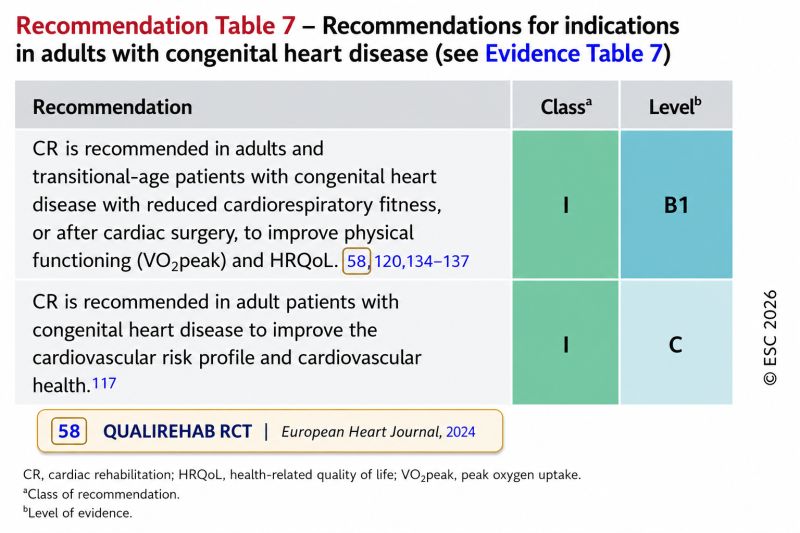
The new 2026 European Society of Cardiology Guidelines recommend cardiac rehabilitation for adults with congenital heart disease — citing the QUALIREHAB randomized controlled trial as core supporting evidence for a Class I recommendation.
Read more →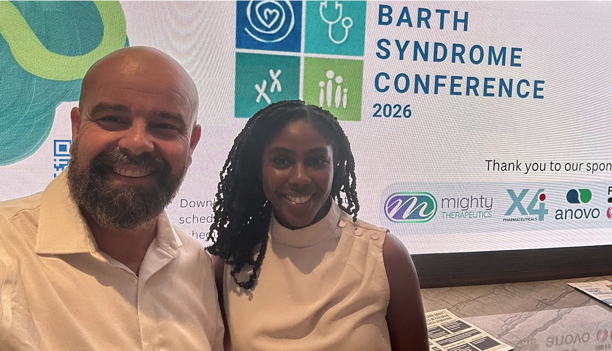
Prof. Pascal Amedro represented the QUALIREHAB team at the world's largest gathering of the Barth syndrome community in Bonita Springs, Florida.
Read more →
A new paper by Andrianoely et al. published in the Journal of the American Heart Association identifies the key predictors of clinical improvement in the QUALIREHAB hybrid rehabilitation program.
Read more →
If you would like to find out more about QUALIREHAB, please write to us and our team will contact you